Before your first laser hair removal appointment, shave the treatment area within 24 hours, avoid sun exposure and tanning for two weeks prior, stop waxing or plucking for at least four weeks, skip lotions and deodorant on appointment day, and arrive with clean, dry skin. Shaving is required because the laser targets the hair root, not the visible shaft.
These laser hair removal preparation steps are not arbitrary rules. They are clinical requirements that determine whether your session delivers results or wastes time and money. Understanding proper before laser hair removal appointment care protects your skin and maximizes every treatment.
Our laser hair removal and skin tightening services are delivered by the same trained technician throughout your entire series. Unlike multi-location chains with rotating staff, your Sedona technician handles every session, building familiarity with your skin and treatment response.
By Primary Contact, primary_contact at Sedona Laser. Sedona Laser Center has performed over 150,000 procedures since opening in Edina, Minnesota. This guide draws from that clinical experience and outlines the exact pre-treatment care instructions our technicians review with every first-time patient.
Why Preparation Matters: What the Laser Needs to Work Safely and Effectively
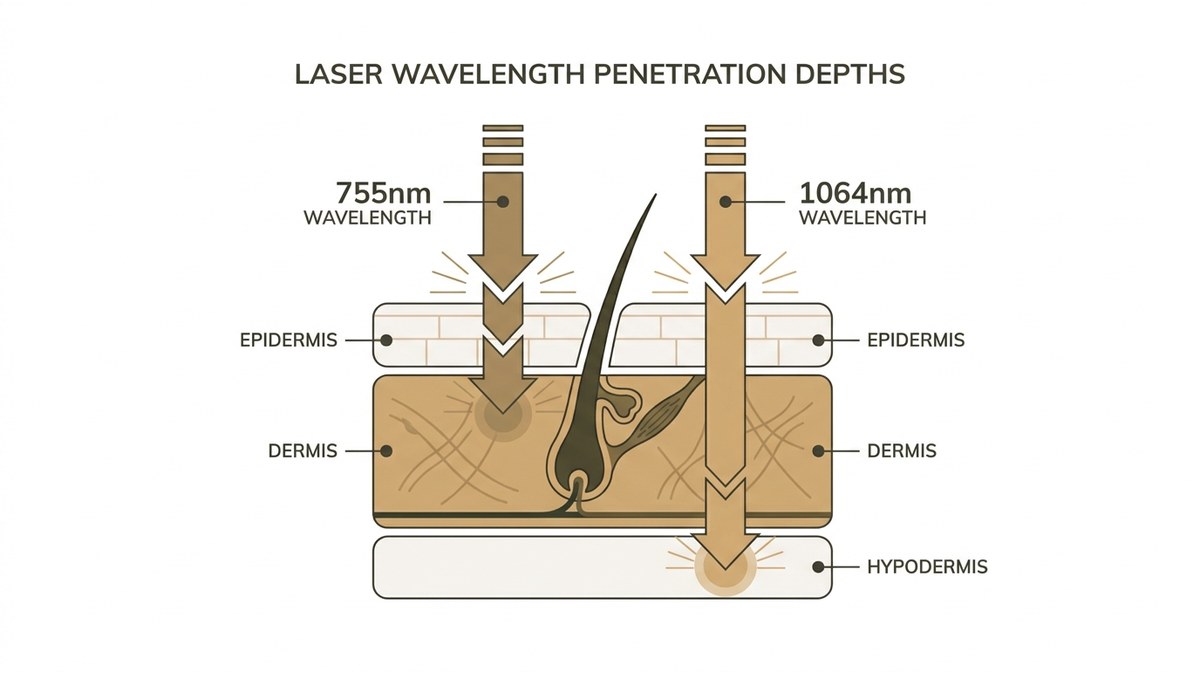
Proper laser hair removal preparation is clinical necessity, not arbitrary fussiness. The Cynosure Elite dual-wavelength laser targets melanin in the hair follicle using 755nm Alexandrite and 1064nm Nd:YAG wavelengths. Surface debris, lotions, and tanned skin block that precision and raise burn risk.
Understanding how hair growth cycles determine treatment timing shows why proper preparation matters. The laser destroys follicles only in the active anagen phase. Proper skin prep ensures each session delivers maximum follicle damage when those roots are most vulnerable.
The 7-Day Pre-Treatment Checklist: What to Do (and What to Stop Doing) Before Your Appointment
Follow this timeline for proper before laser hair removal appointment care:
Four weeks before your first session: Stop waxing, plucking, threading, and epilating. These methods rip the hair root out. The laser needs that root intact to work. If you remove it, the laser has nothing to target. Shaving is the only hair removal method allowed during your treatment course.
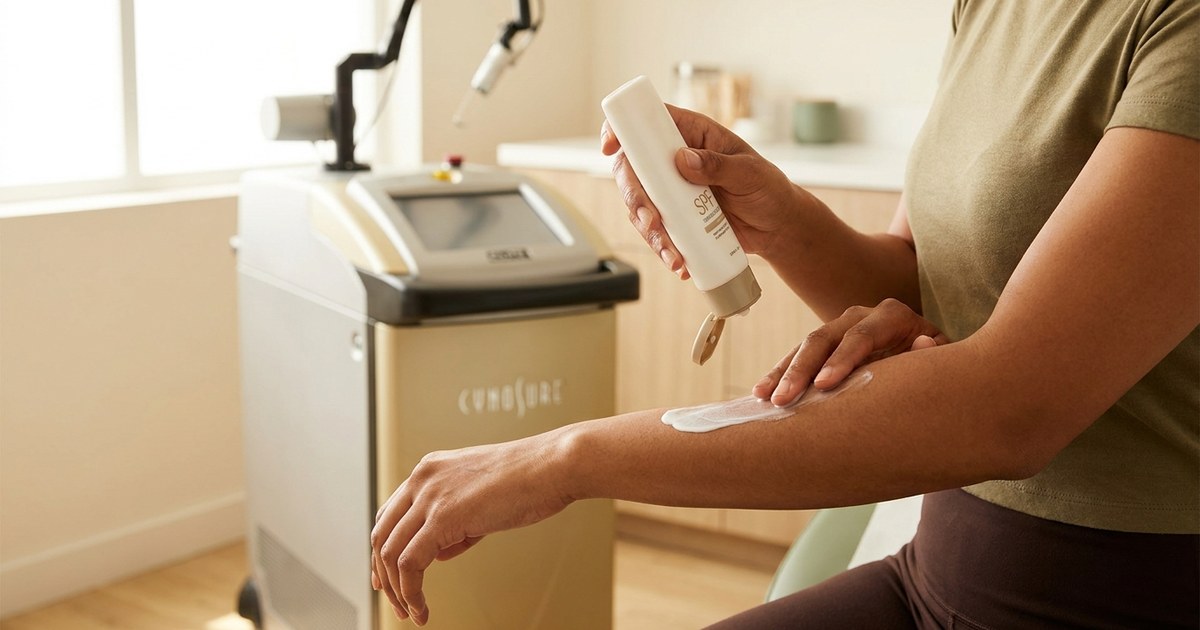
Two weeks before your session: Avoid sun exposure, tanning beds, and spray tans. UV exposure increases melanin in the epidermis. The laser reads that elevated melanin as a target. This increases burn risk. If you must be outdoors, use SPF 30 or higher. Reapply every two hours. Self-tanner deposits pigment in the skin surface and must be avoided.
24 hours before your session: Shave the treatment area. This is mandatory. Shaving removes visible hair but leaves the root intact in the follicle. The laser targets that root. If you arrive with visible hair above the skin, laser energy burns the surface hair instead of going to the root. You feel more discomfort. You see more surface charring. You get worse results. Shave the night before or morning of your appointment using a clean razor with light pressure.
48 hours before your session: Stop taking blood thinners if possible. Aspirin, ibuprofen, and other NSAIDs thin blood. They increase bruising risk. If you take these medications for a chronic condition, do not stop without consulting your doctor. If you take them occasionally for headaches or soreness, skip them for two days before treatment.
Appointment day morning: Drink water and hydrate your skin from the inside. Well-hydrated skin tolerates laser energy better. It heals faster. Do not apply lotion, oil, deodorant, makeup, or perfume to the treatment area. Arrive with clean, dry skin.
Book your free consultation to review your specific pre-treatment care instructions.
Stop Waxing, Plucking, and Threading (But Keep Shaving)
This is the most common point of confusion: you must shave before laser hair removal. Do not let hair grow out.
The misconception comes from waxing culture. Before a wax appointment, you let hair grow so wax has something to grip. Laser works the opposite way. The laser targets melanin in the hair root beneath the skin surface. If the root was removed by waxing, plucking, or threading, there is nothing for the laser to destroy. The follicle is empty. The session is wasted.
Shaving leaves the root intact. It trims the visible shaft at the skin surface. The root remains in the follicle, full of melanin, ready to absorb laser energy. That is why shaving is required and waxing is forbidden.
Over 150,000 procedures, we have found that patients who follow the laser hair removal preparation checklist see faster shedding and fewer side effects after session one.
What Not to Wear or Use on Appointment Day
Arrive with clean, bare skin in the treatment area. No lotions, oils, deodorant, makeup, or perfume. Residue on the skin surface absorbs laser energy and causes burns. Even products marketed as natural or organic create a barrier between the laser and the follicle.
If you are treating underarms, skip deodorant that morning. If you are treating your face, arrive with no makeup, moisturizer, or sunscreen on the area. If you are treating bikini or legs, do not apply body lotion or self-tanner.
Wear loose, comfortable clothing. Tight fabric rubbing against treated skin immediately after a session increases irritation. If treating underarms, wear a tank top or loose-fitting shirt. If treating bikini or Brazilian areas, wear loose cotton underwear. Avoid tight jeans or leggings. If treating legs, wear a skirt or loose pants.
According to NHS laser guidance, patch testing before a full course is standard protocol to assess individual skin response. That patch test requires the same prep as a full session: clean, dry, bare skin.
What to Expect When You Arrive: The Sedona Laser Pre-Treatment Protocol
When you arrive for your first session, your technician walks you through a final prep checklist. This includes a brief review of your medical history. It confirms that you avoided sun exposure and waxing. It includes a visual check of the treatment area to confirm you shaved correctly.
If this is your first time at Sedona Laser, NHS guidance recommends patch testing to see how your skin reacts before a full treatment area. Your technician selects a small test spot. They apply the laser at planned settings. They monitor the area for 24 to 48 hours. If your skin responds well, you proceed with the full session at your next appointment.
During treatment, the Zimmer Cryo 5 cooling system delivers chilled air to the skin surface before, during, and after each laser pulse. This reduces discomfort. It protects the epidermis from thermal injury. Most patients describe the sensation as a rubber band snap followed by cold air.
Understanding why wavelength precision matters for safe, effective treatment helps explain why laser hair removal preparation protocols differ between true laser systems and IPL devices.
Why These Rules Exist: The Science of Wavelength, Melanin, and Skin Safety
The 755nm Alexandrite wavelength targets melanin in lighter skin tones with high precision. It reaches the mid-dermis where most hair follicles sit. The 1064nm Nd:YAG wavelength goes deeper. It bypasses melanin in the epidermis. This makes it safer for darker and tanned skin.
Tanned skin has elevated melanin in the epidermis. If you arrive with a tan, the 755nm wavelength may target that surface melanin instead of follicle melanin. This causes burns. The 1064nm wavelength reduces that risk. But avoiding UV exposure still improves outcomes and comfort.
Surface oils and lotions scatter the laser beam. Instead of delivering concentrated energy to the follicle, the beam spreads across the skin surface. The result is less follicle damage. It means more wasted energy. It raises the risk of superficial burns.
That is why the 1064nm Nd:YAG wavelength is the safe choice for darker skin tones. It is also why pre-treatment sun avoidance is required regardless of your baseline skin tone.
The Cynosure Elite system delivers both wavelengths from a single handpiece. Your technician selects the optimal wavelength for your skin tone, hair color, and treatment area. That precision requires clean, prepared skin to function correctly.
Common Prep Mistakes (and How to Avoid Them)
Arriving with visible hair: Some patients believe they should let hair grow out so the laser has something to target. This is wrong. The laser targets the root beneath the skin, not the visible shaft. Arriving with visible hair causes surface burns and poor results. Shave within 24 hours of your appointment.
Applying numbing cream without asking first: Over-the-counter numbing creams create a barrier on the skin surface. They block laser penetration. If you are concerned about discomfort, ask your technician about approved numbing options during your consultation. Do not apply anything without clearance.
Tanning the week before your session: Even one day of sun exposure increases epidermal melanin. It raises burn risk. Avoid sun, tanning beds, and spray tans for at least two weeks before treatment.
Applying lotion or deodorant on appointment morning: Even if you showered, residue from lotion or deodorant remains on the skin surface for hours. Apply nothing to the treatment area on appointment day.
Taking ibuprofen before your session to manage anticipated pain: NSAIDs thin blood. They increase bruising risk. If you are concerned about discomfort, discuss it with your technician. The Zimmer Cryo 5 cooling system manages pain without medication.
Conclusion: Preparation Is Simple If You Follow the Checklist
Preparing for your first session needs no special products, no complicated rituals, and no guesswork. Follow these pre-treatment care instructions: stop waxing four weeks out, avoid sun two weeks out, shave within 24 hours, skip lotions and deodorant on appointment day, and arrive with clean, dry skin.
These rules exist because the laser requires specific conditions to work safely and effectively. Surface debris blocks beam precision. Tanned skin increases burn risk. Waxed follicles have no root to target. Shaving prepares the follicle correctly.
Your Sedona Laser technician reviews your before laser hair removal appointment prep at every session. They answer any questions. You are not expected to be perfect. You are expected to follow the checklist and ask when something is unclear.
What to expect over your full 8 to 10 session treatment plan: gradual reduction in hair density, finer regrowth between sessions, and 80 to 90% permanent reduction after the full course.